An oven is the centerpiece of every kitchen. Whether you’re baking, roasting, or heating meals, you rely on your oven daily. But when your oven stops heating or cooks unevenly, your entire cooking routine collapses. This problem is extremely common — and often caused by worn parts, electrical issues, or faulty sensors.
In this complete guide, you’ll learn the 10 most common oven issues, why ovens stop heating, and when it’s necessary to call a professional oven repair technician for safe and reliable repairs.
1. Oven Not Heating at All
The most common issue.
Both gas and electric ovens can fail to heat due to:
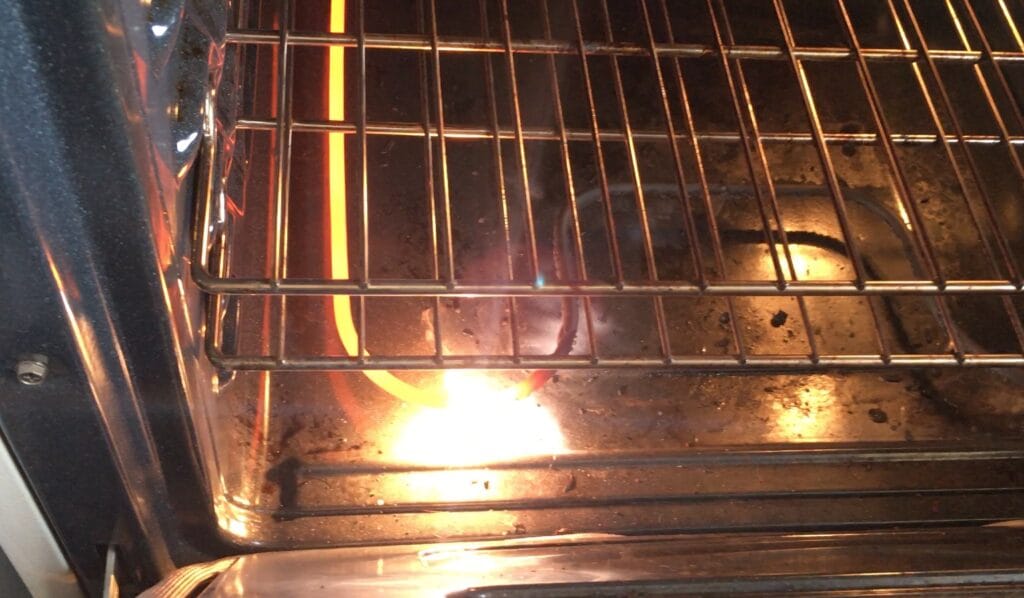
- Burnt heating element
- Faulty igniter
- Tripped breaker
- Control board failure
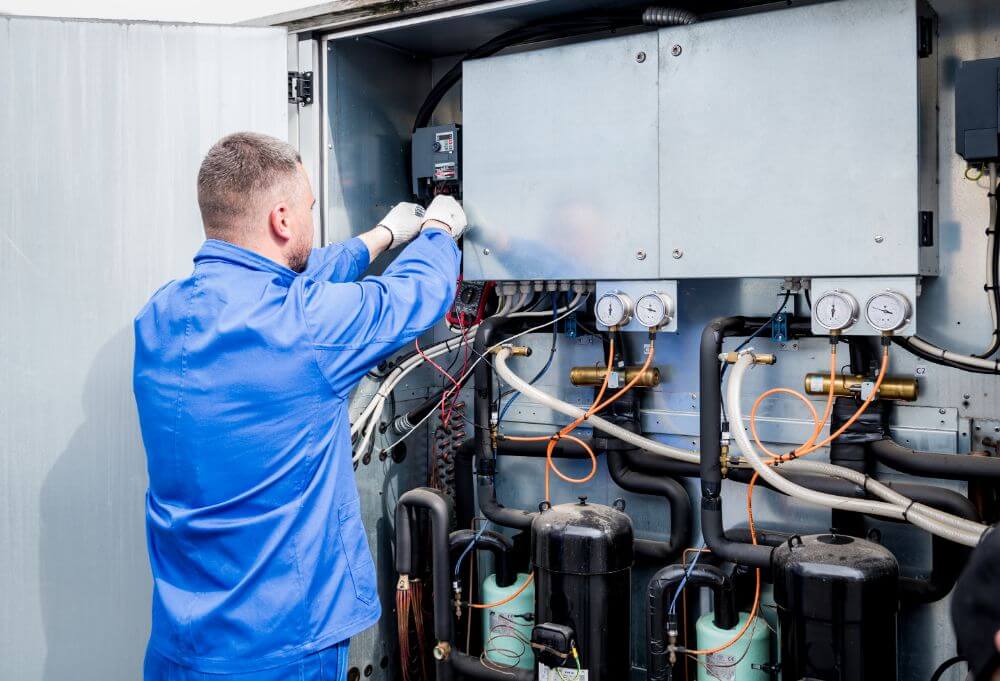
A technician tests voltage, continuity, and replaces damaged parts safely.
2. Uneven Heating or Hot Spots
Your food cooks more on one side?
This usually means:
- Damaged bake element
- Faulty convection fan
- Blocked air circulation
Professional repair restores airflow and proper temperature distribution.
3. Oven Not Maintaining Temperature
If your oven heats but can’t hold a stable temperature:
Possible Causes:
- Faulty thermostat
- Temperature sensor malfunction
- Weak heating element
Technicians calibrate the thermostat and replace damaged parts.
4. Faulty Igniter in Gas Ovens
If the igniter is weak, the gas won’t ignite properly.
Symptoms:
- Gas smell
- Clicking sound
- Oven takes long to heat
Silence is dangerous — let a professional handle gas-related repairs.
5. Oven Light Not Working
Might seem simple, but it often indicates:
- Bad socket
- Bad switch
- Faulty wiring
Technicians inspect wiring and replace sockets safely.
6. Oven Door Not Closing Properly
A bad seal means heat escapes, increasing cooking time.
Causes:
- Broken hinges
- Worn door gasket
- Misaligned door
Professionals realign or replace the hinges and gasket.
7. Burning Smell From Oven
This can be caused by:
- Food debris
- Melted wires
- Overheated components
A technician safely checks wiring and internal parts.
8. Oven Overheating
Overheating is dangerous and can damage internal parts.
Reasons:
- Faulty thermostat
- Broken control board
- Temperature sensor malfunction
This repair requires multimeter testing — only professionals should do it.
9. Control Panel Not Responding
Touch panels can stop working due to:
- Faulty PCB
- Loose wiring
- Moisture damage
Technicians replace the control panel or repair circuitry.
10. Self-Cleaning Function Issues
If your oven locks or stops working after cleaning, it might be:
- Blown thermostat
- Damaged thermal fuse
- Control board malfunction
Professional repair restores safe operation.
Why You Should Avoid DIY Oven Repair
- Risk of electric shock
- Gas leak danger
- Damage to heating elements
- Voids warranty
- Incorrect repairs worsen damage
Professional Oven Repair Benefits
- Accurate diagnosis
- Safe electrical & gas repair
- Replacement of certified parts
- Long-term performance
- Prevents future breakdowns
How to Maintain Your Oven
- Clean spills immediately
- Avoid slamming the oven door
- Do not block fan vents
- Check gasket regularly
- Get yearly professional inspection
Conclusion
Your oven is a complex appliance that requires expert attention. Whether the oven is not heating, heating unevenly, or failing to maintain temperature, professional repair ensures safety, performance, and long-term durability. If your oven is acting up, schedule a technician as soon as possible.